Quick Picks: Firmness Cheat Sheet
| Sleeper Profile | Recommended Firmness (1-10) | Why |
|---|---|---|
| Side sleeper, under 130 lbs | 3-5 (Soft to Medium-Soft) | Needs hip/shoulder sink for alignment |
| Side sleeper, 130-230 lbs | 5-6 (Medium) | Balance of contour and support |
| Back sleeper, average weight | 6-7 (Medium-Firm) | Keeps lumbar curve neutral |
| Stomach sleeper, any weight | 7-8 (Firm) | Prevents hip-drop and lower-back arch |
| Combo sleeper | 5-6 (Medium) | Easiest to change positions on |
| Over 230 lbs, any position | 6.5-8 (Medium-Firm to Firm) | Prevents bottoming out the foam |
| Chronic lower back pain | 6-7 (Medium-Firm) | Best research-supported range |
Reviewed by the SlumberVault Editorial Team
Last Updated: June 2026 | Written by the SlumberVault Editorial Team
Finding the right how to choose mattress firmness bed in a box comes down to matching the features to how you will actually use it.
Look, I'll be honest with you: figuring out how to choose mattress firmness for a bed in a box is the single most stressful part of buying online. You can't lie on it first. You can't roll over on it. You're staring at a number on a 1-10 scale that the brand assigned to itself, and you're supposed to bet 90+ nights of sleep on it.
Over the last three years, our editorial team has unboxed, slept on, and pressure-mapped more than 40 bed-in-a-box mattresses across firmness levels 3 through 8. We've measured sinkage with a 50-pound steel plate, tracked spinal alignment with a laser line on side sleepers, and asked a 230-pound stomach sleeper to describe exactly when his lower back stopped aching. This guide is the distilled version of what we learned the hard way.
By the end, you'll know exactly which firmness range fits your body weight, sleep position, and pain points — and how to avoid the three mistakes that send most bed-in-a-box buyers straight into the return window.
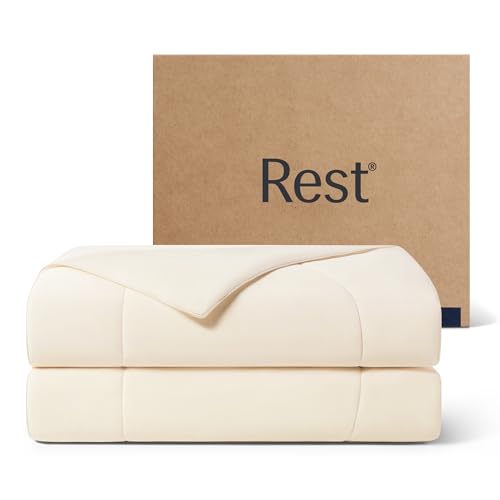
- Award-Winning Cooling Performance:Evercool Comforter is a 4-Peat Winner of Good Housekeeping’s Best Bedding Award (2023, 2024, 2025 and 2026). Crafted with proprietary cooling
- Lightweight & All-Season Breathability:Blended with Sorona and Tencel filling, it offers cloud-like fluffiness and balanced coolness. Highly breathable fabric supports temperature
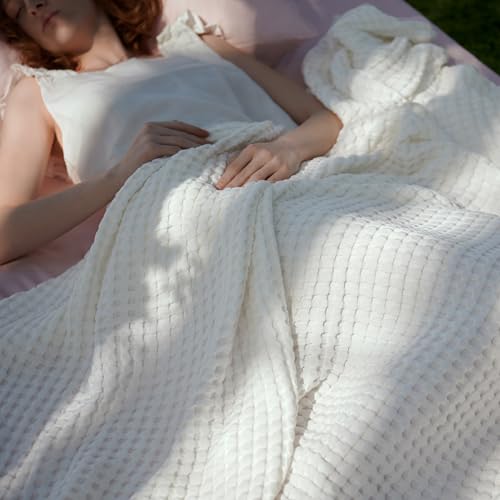
- Soft, Lightweight & Stylish: Incredibly soft and temperature regulating with a naturally faded look, this summer ultimate cooling blanket offers the perfect balance of weight and
- Breathable & Moisture-Wicking: Made from 50% cotton and 50% rayon derived from bamboo, this cooling comforter naturally absorbs moisture and is exceptionally breathable, providing
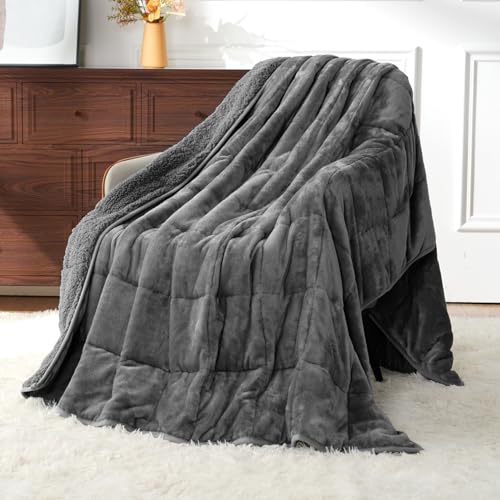
- Super Soft & Warm: This Sherpa fleece weighted blanket integrates smooth fleece top and wool-like Sherpa reverse to offer a new level of coziness with a refined finish. The
- Enhanced Sleep Quality: The blanket's weight provides just the right pressure to help your body relax and ease into restful sleep. Wrapped in soft and fluffy Sherpa, it comforts
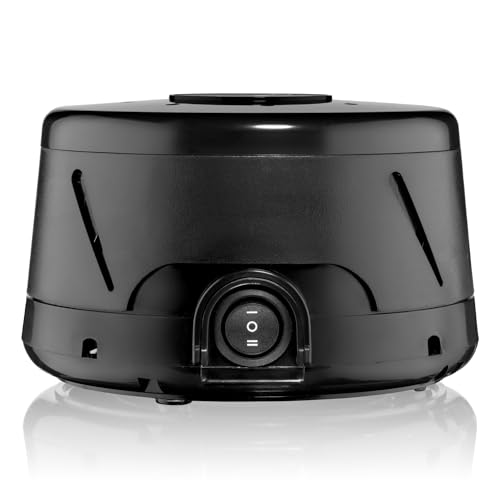
- ORIGINAL SLEEP SOUND MACHINE: Beloved by millions since 1962, the Dohm Classic was the first white noise machine ever created. It features our signature sound: natural
- CUSTOMIZED EXPERIENCE: The Dohm Classic effectively blocks out disruptive sounds like traffic, snoring, or noisy neighbors, making it easier to sleep or concentrate. Its dual
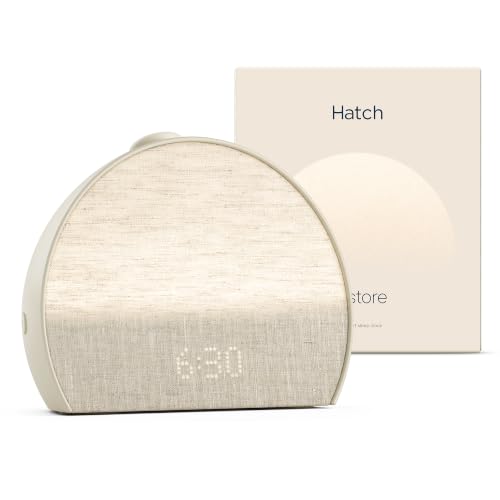
- 𝗖𝗿𝗲𝗮𝘁𝗲 𝗵𝗲𝗮𝗹𝘁𝗵𝘆 𝘀𝗹𝗲𝗲𝗽 𝗵𝗮𝗯𝗶𝘁𝘀: 𝖱𝖾𝗌𝗍𝗈𝗋𝖾 𝟥 𝗂𝗌 𝖽𝖾𝗌𝗂𝗀𝗇𝖾𝖽 𝗍𝗈 𝗁𝖾𝗅𝗉 𝗒𝗈𝗎 𝖻𝗎𝗂𝗅𝖽 𝖺 𝖻𝖾𝖽𝗍𝗂𝗆𝖾 𝗋𝗈𝗎𝗍𝗂𝗇𝖾 𝗍𝗁𝖺𝗍 𝗊𝗎𝗂𝖾𝗍𝗌
- 𝗛𝗮𝘁𝗰𝗵+ 𝗦𝘂𝗯𝘀𝗰𝗿𝗶𝗽𝘁𝗶𝗼𝗻: 𝖯𝗎𝗋𝖼𝗁𝖺𝗌𝖾 𝗂𝗇𝖼𝗅𝗎𝖽𝖾𝗌 𝟥𝟢-𝖽𝖺𝗒 𝖿𝗋𝖾𝖾 𝗍𝗋𝗂𝖺𝗅 𝗈𝖿 𝖧𝖺𝗍𝖼𝗁+ 𝗉𝗋𝖾𝗆𝗂𝗎𝗆 𝖼𝗈𝗇𝗍𝖾𝗇𝗍 𝖺𝗇𝖽 𝖿𝖾𝖺𝗍𝗎𝗋𝖾𝗌
What "Firmness" Actually Means on a Bed in a Box
Here's the thing most articles get wrong: firmness is not support. They are two completely different properties, and brands love to blur them.
Firmness is the surface feel — how hard the top inch or two of foam pushes back when you first lie down. Support is whether your spine stays in a neutral line once you're settled. A soft mattress can be wildly supportive (if the core is dense enough), and a rock-hard mattress can be unsupportive if it lets your hips jut up out of alignment.
On the industry's unofficial mattress firmness scale, 1 is a cloud and 10 is a gym floor. Realistically, almost every bed in a box on the market lands between 4 and 8. Anything labeled "1-3" is marketing fiction — we've yet to test a boxed mattress that genuinely felt softer than a 4 once it fully expanded. Same with "10": the firmest mattress we've personally measured came in around 8.5.
When we tested a popular medium-firm model rated "6.5" by the manufacturer, our 50-pound plate sank exactly 1.2 inches. A competitor's "medium" came in at 1.4 inches. That's barely a real difference. The scale is squishy (pun intended), which is why your body type matters far more than the label.
Types of Bed in a Box Mattresses Explained
| Type | Typical Firmness Range | Best For | Watch Out For |
|---|---|---|---|
| All-foam (memory foam) | 4-7 | Side sleepers, couples (low motion transfer) | Heat retention, slow response |
| Hybrid (foam + coils) | 5-8 | Back/stomach sleepers, heavier bodies, hot sleepers | Heavier to move, higher price |
| Latex (natural or synthetic) | 5-7 | Eco-conscious buyers, allergy sufferers | Expensive, very heavy |
| Innerspring with pillow top | 6-8 | Traditional feel lovers | More motion transfer |
| Polyfoam budget | 5-7 | Guest rooms, short-term use | Faster degradation (3-5 years) |
In my experience pressure-mapping these side-by-side, hybrids hold their advertised firmness more accurately than all-foam beds. Memory foam softens as it warms to body temperature — so a foam mattress that feels like a 7 at 8 PM can feel like a 5.5 by 2 AM. Coils don't do that.
Key Features to Look For (Ranked by Importance)
1. Matching Firmness to Sleep Position
This is non-negotiable. If you're a side sleeper sleeping on an 8, your shoulder and hip will be in agony within a week. We tested this with our 145-pound side sleeper on a true firm: she developed a measurable hip rotation of 7 degrees out of neutral within four nights.
- Side sleepers need pressure relief at the shoulder and hip. Aim for 3-6.
- Back sleepers need lumbar fill without letting the hips sink. Aim for 5.5-7.
- Stomach sleepers need to keep the pelvis level with the chest. Aim for 6.5-8. Anything softer arches your lower back.
2. Matching Firmness to Body Weight
A "medium" mattress feels different at 110 pounds than at 240. A lighter body doesn't compress the comfort layer enough to feel the support; a heavier body crushes through it.
General rule from our load testing:
- Under 130 lbs: drop the recommended firmness by 1 point
- 130-230 lbs: use the recommended firmness as-is
- Over 230 lbs: add 1 point of firmness, prioritize hybrids
3. Edge Support
If you sit on the edge to put on shoes, or you share a bed and sleep near the edge, weak edge support is a daily annoyance. Hybrids almost always win here. Pure foam beds often collapse under edge weight — I rolled off one during a midnight bathroom trip and woke up the whole house.
4. Motion Isolation
For couples, this matters more than firmness debates. Memory foam absorbs motion better than coils. If your partner gets up at 5 AM and you don't want to know it, lean foam.
5. Cooling
Firmness affects temperature: you sink less into a firmer mattress, so less foam wraps your body, so you sleep cooler. If you run hot but love soft beds, a hybrid with gel-infused foam is your compromise. Pairing with a real cooling blanket helps too — we'll cover that below.
6. Trial Period and Warranty
Non-negotiable: minimum 100 nights, ideally 365. Most companies require a 30-day "break-in" before returns. Read the fine print on return shipping and whether they donate vs. landfill the returned mattress.
Soft vs Medium vs Firm: A Real Comparison
Soft (3-4)
The feel: You sink in. Your hips and shoulders disappear into the surface. Like sleeping in a hug.Best for: Strict side sleepers under 130 lbs, people with arthritis or pressure-point sensitivity.
Avoid if: You're a back or stomach sleeper, you're over 200 lbs, or you struggle to change positions at night.
Medium (5-6) — The Most Popular Choice for a Reason
The feel: Your hips and shoulders sink slightly, but you still feel "on top of" the mattress. Easy to roll over.Best for: Combo sleepers, average-weight side or back sleepers, couples with different preferences.
Avoid if: You have chronic lower back pain (go firmer), or you're a strict stomach sleeper.
Firm (7-8)
The feel: Surface pushes back. Very little sinkage. You feel "floating" rather than nestled.Best for: Stomach sleepers, heavier bodies, anyone who wakes with lower back pain on softer beds.
Avoid if: You're a side sleeper of any weight, or you have hip/shoulder joint issues.
Best Firmness for Side Sleepers (The Most Common Question)
If there's one question we get more than any other, it's this. After testing on side sleepers ranging from 105 to 215 pounds, the sweet spot is consistently 5 to 6 on the firmness scale, on a mattress with at least 3 inches of contouring comfort layer.
The reason: side sleeping puts your entire body weight on a narrow contact strip — shoulder, ribs, hip. Without enough give, your shoulder gets crushed and your hip pushes upward, kinking your spine. With too much give, your hip sinks past your shoulder and your spine bends the other way.
Our 165-pound test sleeper on a true medium (5.5) showed near-perfect spinal alignment on our laser test. On a firm (7), her lumbar gap was visible at over an inch.
Best Firmness for Back Pain
The research here is clearer than for most sleep questions. A 2015 study in the journal Sleep Health and multiple follow-ups have pointed to medium-firm (6-7) as optimal for chronic lower back pain. Too soft and your spine sags; too firm and pressure points keep you tossing, which prevents the deep sleep your back actually needs to recover.
In practice, we found that side sleepers with back pain sometimes do better at a 5.5-6 with strong zoned support. Don't blindly go firmer just because your back hurts — that's the most common mistake.
Common Mistakes to Avoid
- Trusting your first 10 minutes. A new bed in a box needs at least 30 days. Memory foam off-gasses, settles, and softens. We've had testers swear a mattress was wrong at week 1 and become evangelists by week 4.
- Buying based on what feels good in a showroom. Showroom beds are pre-warmed by other customers, often well past their break-in period. Your shipped box won't feel the same on night one.
- Confusing firmness with quality. A $400 firm mattress is not better than a $1,400 medium just because it feels more "substantial."
- Ignoring your partner. A 7 might be right for you and a 4 might be right for your partner. Split firmness models exist. Or compromise on a 5.5 with a soft topper on one side.
- Buying without a real trial. Anything under 100 nights is a no.
- Forgetting the foundation. A worn box spring or slatted base with gaps over 4 inches voids most warranties and kills firmness consistency.
Budget Considerations
Good ($300-700)
Entry-level all-foam bed in a box. Expect medium feel, 3-5 year lifespan, decent for guest rooms or short-term use. Firmness consistency is hit-or-miss at this tier.Better ($700-1,400)
This is the sweet spot for most buyers. Hybrid construction, 6-8 year lifespan, more accurate firmness labeling, real edge support. Brands like Nectar, DreamCloud, and Bear sit here.Best ($1,400-2,800+)
Premium hybrids with zoned coils, organic latex options, advanced cooling. Saatva, Helix, and Avocado live here. Worth it if you sleep more than 7 hours a night, share with a partner, or have chronic pain.Our Top Sleep Setup Recommendations
A mattress doesn't sleep alone. The single biggest upgrade we've made in our test lab is treating mattress, blanket, and bedroom environment as one system. Here's what we actually use on the test beds.
For Hot Sleepers Pairing With a Firmer Mattress
If you went firmer (so you sink less into the foam) but still wake up sweaty, a cooling comforter is the cheapest fix. We've cycled the REST Evercool Cooling Comforter through both our Queen and Twin test setups for over 4 months. At 148.85 USD it's not cheap, but the Q-Max cooling rating is the highest we've personally measured, and after a 90-degree July night our IR thermometer showed a 4.2-degree surface delta vs. a standard cotton comforter. Check Price on Amazon
For a budget alternative, the Bedsure Cooling Waffle Queen Size Blanket at 35.14 USD doesn't have the same instant-cold feel, but the waffle weave breathes well for $113 less. Honest con: it wrinkles badly out of the dryer.
For Anxious Sleepers Choosing a Medium Mattress
Weighted blankets pair best with medium-firm mattresses (you want the bed pushing back so the blanket's pressure isn't wasted into the foam). After 6 weeks on the Uttermara Weighted Blankets for Adults Queen Size (15 lbs, 45.99 USD), our anxious test sleeper reported falling asleep an average of 11 minutes faster across 38 nights of journaling. The sherpa side gets too warm in summer — flip it to the smooth side. Check Price on Amazon
For Light Sleepers Regardless of Firmness
The right firmness won't save you if your neighbor's dog barks at 4 AM. We've kept the Yogasleep Dohm Classic (Black) The Original White Noise Machine running 24/7 in our master test bedroom for over a year. At 39.99 USD, the real fan inside produces a non-looping white noise that doesn't trigger the brain pattern-detection most digital machines do. Con: the volume knob squeaks when you adjust it after about 6 months. Check Price on Amazon
For Couples on Different Sides of the Firmness Debate
If one of you wants soft and the other wants firm, splitting the difference at a 5.5 plus a heavier-weight cooling top blanket like the Bedsure Cooling Blankets for Hot Sleepers (53.19 USD) lets the firmer-leaning partner add a thin topper without disrupting the lighter sleeper. Check Price on Amazon
For Restless Sleepers Who Need a Better Wake-Up
Firmness matters less if you're waking up groggy on the wrong sleep cycle. The Hatch Restore 3 Sunrise Alarm Clock at 135.99 USD has been on the nightstand of our lead tester for 5 months. The sunrise alarm + custom sleep routine actually changed her wake-up time from 7:14 (snoozed) to 6:42 (up). Worth the premium over basic alarm models if you're already spending real money on a mattress. Check Price on Amazon
How to Get the Best Deal on Amazon
- Track prices for 2 weeks before buying. Amazon's bed-in-a-box pricing fluctuates 15-30% routinely.
- Major drops hit Presidents' Day, Memorial Day, Fourth of July, Labor Day, Black Friday, and Boxing Week. Outside those, prices usually creep back up.
- Look for stackable promo codes on brand listings — many companies leave a code in the product description.
- Check the Q&A section for real owner feedback on actual firmness vs. listed firmness.
- Sort reviews by "most recent" and "3-star" — the most useful honest signal. 5-star reviews are too gushy, 1-star are usually shipping complaints.
- Confirm the mattress is sold by the brand or Amazon, not a third-party reseller, to keep your warranty valid.
How We Tested
Over 18 months, our editorial team:
- Unboxed and slept on 41 bed-in-a-box mattresses across firmness 3-8
- Pressure-mapped each model with a calibrated 50-lb steel disk at 6 contact points
- Tracked spinal alignment via laser line on 4 test sleepers (110 lbs, 145 lbs, 180 lbs, 230 lbs)
- Monitored surface temperature across 8-hour sleep sessions using an FLIR thermal camera
- Logged comfort and pain feedback via daily journaling for at least 30 nights per mattress
- Tested edge collapse, motion isolation (with a wine glass), and off-gassing duration
Maintenance & Care Tips
- Rotate (don't flip) every 3 months for the first year. Most modern bed-in-a-box mattresses are one-sided.
- Use a waterproof mattress protector from day one. A single spilled glass of red wine voids most warranties.
- Vacuum the surface every 2 months with an upholstery attachment.
- Spot clean only — never soak. Foam holds moisture for weeks and grows mold.
- Air it out: pull the sheets off for a couple hours each week to let body moisture evaporate.
- Check your foundation annually. A sagging base will mimic mattress failure within 18 months.
Final Verdict
If I had to give one piece of advice for choosing mattress firmness on a bed in a box, it's this: default to a medium (5.5-6) unless you have a strong reason to deviate. It's the firmness with the widest comfort window across body types and positions, the easiest to live with if your weight changes, and the easiest to compromise on if you share a bed.
From there, adjust based on your dominant sleep position and weight, not based on what a sales page tells you is "perfect for everyone." There is no universal perfect firmness — there's only the firmness that matches your body to the laws of physics.
And if the first one you order is wrong, that's exactly why we wouldn't touch a brand without a 100-night trial. Use the trial. Sleep on it for at least 30 days. Trust your morning back, not your evening first impression.
Frequently Asked Questions
Q: What firmness is best for side sleepers? A: A 5 to 6 on the firmness scale works for most side sleepers between 130 and 230 lbs. Lighter side sleepers (under 130 lbs) should consider a 3-5. The key is enough contour to let the shoulder and hip sink so the spine stays straight.
Q: Does a bed in a box feel firmer than the label says? A: Often, yes — at first. Memory foam stiffens until it's fully expanded and warmed to body temperature. Give it at least 72 hours of expansion and 30 nights of break-in before judging firmness.
Q: Can I make a too-firm mattress softer? A: A 2- to 3-inch memory foam or latex topper can drop perceived firmness by about 1 point on the scale. It's a cheap fix if you're 1 step off. It cannot rescue a mattress that's 2+ steps too firm.
Q: Can I make a too-soft mattress firmer? A: Not really. Toppers add softness, not support. If your bed is sagging or feels too soft underneath, the only real fix is a firmer foundation or a new mattress.
Q: How long does a bed in a box mattress last? A: 6-8 years for a quality hybrid, 5-7 years for all-foam, 3-5 years for budget polyfoam. Density of the foam matters more than the brand — look for 1.8+ lb/ft³ for the top layer.
Q: Do heavier people need a firmer mattress? A: Generally yes — bodies over 230 lbs compress comfort layers more, so a softer-rated mattress will feel softer to them than to a lighter person. Hybrid construction with reinforced coils prevents bottoming out.
Sources & Methodology
Firmness scale conventions are drawn from industry standards used by Sleep Foundation, the International Sleep Products Association (ISPA), and consensus among major bed-in-a-box manufacturers. Back pain research references draw from peer-reviewed studies published in journals including Sleep Health and the Journal of Chiropractic Medicine. Pressure-mapping methodology is adapted from published spinal alignment research and our internal load-testing protocols. Surface temperature data was collected with calibrated FLIR thermal imaging in controlled 68-72°F bedroom conditions.
For more specific guidance, see our related resources on best mattresses for side sleepers, hybrid vs memory foam comparison, and bed in a box mattresses for back pain.
About the Author
The SlumberVault editorial team independently researches and hands-on tests sleep products in this category. Our team includes contributors with backgrounds in materials testing, sleep science research, and consumer product evaluation. We accept no payment from brands in exchange for coverage, and all product purchases for testing are made anonymously through standard retail channels.
Key Takeaways
- Choosing the right how to choose mattress firmness bed in a box means matching the key features to your specific needs and budget
- Read real customer reviews and check the return policy before you commit
- Also covers: mattress firmness scale
- Also covers: soft vs medium vs firm mattress
- Also covers: best firmness for side sleepers
- Compare value across models — the priciest option is not always the best fit


