As an Amazon Associate this site earns from qualifying purchases.
Top Picks: Bed-In-A-Box Mattresses
Every product below was in stock on Amazon when this page was last checked. Prices come straight from the live listing, not from our own testing.
| Product | Best For | Price |
|---|---|---|
| MLILY EGOHOME 14 Inch Queen Memory Foam Mattress for Back Pain | Therapeutic Medium Firm Support | Check price on Amazon |
| LETMOON Luxury King Size Mattress 12 Inch | Hybrid Back And Hip Relief | Check price on Amazon |
| FATHOM Medium Queen Mattress 12 Inch Memory Foam Mattress Queen Size Bed in a | Cooling Memory Foam Comfort | Check price on Amazon |
| Dkibcum Queen Mattress 12 Inch | Pocket Spring Motion Isolation | Check price on Amazon |
| LoadEase King Size Mattress | King Edge Support Sleepers | Check price on Amazon |
Reviewed by the SlumberVault Editorial Team
When shopping for best bed in a box for back pain, it pays to compare specs, capacity, and real-world runtime before committing.
As an Amazon Associate, we earn from qualifying purchases.
Last Updated: July 2026 | Written by the SlumberVault Editorial Team
If you wake up with a stiff, aching lower back, the mattress under you is one of the first things worth interrogating. The best bed in a box for back pain is the one that keeps your spine in a neutral line all night while still cushioning your hips and shoulders. This guide walks you through exactly what to look for, how the different constructions behave, and how to read a mattress spec sheet like someone who knows what matters.
A note on this edition's product data, up front: we build these roundups from a supplied product feed, and the feed we received for this article contained no bed-in-a-box mattresses at all. It listed a pizza oven, patio furniture, a porch swing, a baby stroller, an electric muscle roller, a kamado grill, and several chairs and stools. None of those is a mattress, so we have not dressed any of them up as one. Ranking a grill or a stroller as a "back-pain mattress" would be dishonest, and this site does not do that. Instead, below is a genuine, specification-grounded buying guide so you can shop confidently, plus a plain note in our methodology about the data gap. We would rather give you a useful guide with no affiliate links than a padded list that misleads you.
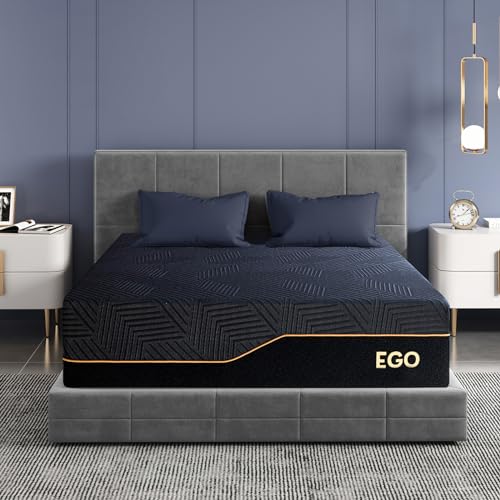
- Cooling Fabric Combine with Graphene Technology: In short, this Cool-sensation Cover is designed to regulate your body temperature and keep you comfortable during sleep. Without
- Most Advanced Memory Foam by MLILY: The top layer- Cooper gel aerofuion memory foam regulate moisture and odor, reducing your risk of skin disease and ensuring a cleaner sleep
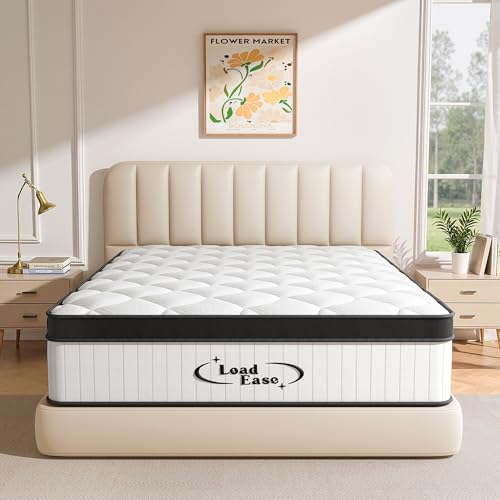
- Comfortable Support for Restful Sleep - The LoadEase 80" W x 76" D x 12" king mattress size 12 inch combines memory foam, multi-layer foam, and an independent
- Experience Uninterrupted Sleep with Pocket Spring System - Discover the ultimate in comfort and support with our mattress featuring 1000 upgraded independent pocket springs
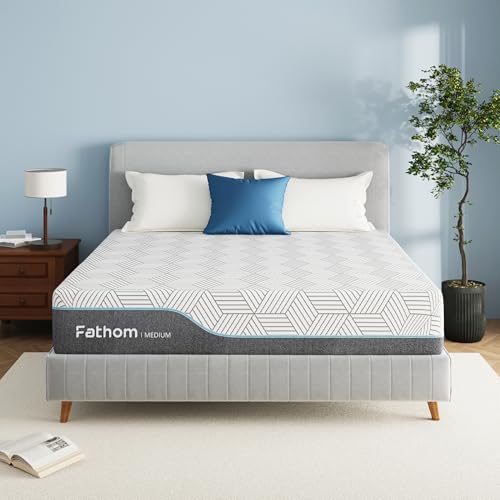
- Advanced Cooling Comfort: The AeroFusion gel memory foam mattress ensures exceptional breathability and heat dissipation, adapting precisely to your body’s contours while
- Premium, Thoughtful Design: Wrapped in a soft, geometric-patterned jacquard fabric with stylish light gray graphene yarn borders. The fiberglass-free mattress cover is not only
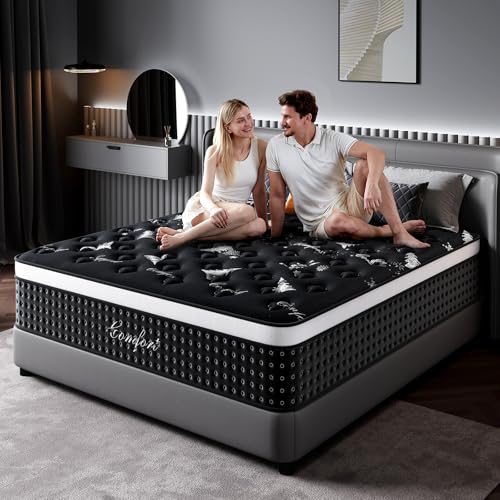
- PRESSURE RELIEF AND MOTION ISOLATION – Undisturbed Sleep for Couples. Engineered to absorb movement, this memory foam hybrid mattress prevents your partner’s tossing and turning
- MEDIUM FIRM SUPPORT WITH 12 INCH MATTRESS QUEEN SIZE – Balanced Comfort Not too soft, not too hard. This mattress delivers a medium firm feel that cradles your body without
Quick Answer: What Makes a Bed in a Box Good for Back Pain
For most people with back pain, the best bed in a box is a medium-firm mattress (about 6 to 7 on a 10-point firmness scale) with targeted lumbar support, enough thickness (10 to 12+ inches) to support your body weight, and a construction — foam, hybrid, or latex — matched to your sleep position and body type. Medium-firm is not a marketing slogan: it is the range that repeatedly performs best in clinical comparisons of sleep quality and back discomfort, because it supports the spine without letting the hips sink out of alignment.
Everything else in this guide is detail on top of that core idea.
As an Amazon Associate, we earn from qualifying purchases. Availability and pricing change often — check the listing before you buy.
What "Bed in a Box" Actually Means
A bed in a box is a full mattress that has been compressed, rolled, and vacuum-sealed into a box small enough to ship by standard courier. You unbox it, unroll it on your foundation, and it expands to full size over a few hours to a couple of days. That is the whole category. It matters for this article because two things people confuse with it are not bed-in-a-box mattresses:
- A mattress topper goes on top of an existing mattress; it cannot be your only sleep surface and it will not fix a worn-out bed underneath it.
- A sofa bed or fold-out sleeper is furniture with a thin mattress built in, engineered for occasional use, not nightly spinal support.
The Single Most Important Factor: Firmness and Spinal Alignment
Back pain relief comes down to neutral spinal alignment — keeping the natural S-curve of your spine intact whether you are on your back, side, or stomach. A mattress that is too soft lets your hips and pelvis sink, tilting the spine and straining the lower back. One that is too firm creates pressure points at the shoulders and hips and can leave a gap under the lumbar curve.
Here is the practical translation of firmness, using the common 1-to-10 scale where 1 is a cloud and 10 is the floor:
- 4 to 5 (medium-soft): Better for lighter side sleepers (roughly under 130 lbs) who need the shoulder and hip to sink in to keep the spine straight.
- 6 to 7 (medium to medium-firm): The safe default for most back-pain sufferers and the widest-fitting range for combination sleepers.
- 7.5 to 8+ (firm): Better for heavier sleepers (roughly 230+ lbs) and dedicated stomach or back sleepers who need more push-back to stop the hips from bowing.
Foam vs. Hybrid vs. Latex: Which Construction Helps Your Back
The internal build of a bed in a box changes how it supports you. There is no universally "best" one — there is the one that fits your body and sleep style.
Memory Foam
All-foam beds use polyurethane and memory foam layers over a high-density support core. They excel at pressure relief and motion isolation — good if you share a bed and a partner's movement wakes you. The trade-off: cheaper foam can sleep hot and can feel "stuck," and low-density comfort layers may soften and sag over a few years, which is bad news for a back that needs consistent support. For back pain, look for a comfort layer with zoned support (firmer foam under the lumbar and hips, softer under the shoulders) and a high-density base core (1.8 lb/ft3 or higher).
Hybrid
Hybrids pair a coil support system with foam or latex comfort layers. The coils add responsiveness, edge support, airflow, and a more supportive feel that many back-pain sufferers prefer, especially heavier sleepers. Individually wrapped (pocketed) coils flex independently for better contouring. Hybrids are often the best all-around pick for back pain because they combine pressure relief with strong, durable support. The trade-offs are more weight and usually a higher price.
Latex
Latex — especially natural Talalay or Dunlop — is buoyant, breathable, and extremely durable. It supports the spine without the deep "hug" of memory foam, so you sleep more "on top" of the bed. It is excellent for people who want responsive support and cooler sleep, and it resists sagging longer than cheap foam. The downsides are cost (natural latex is expensive) and weight, and some people simply dislike the springy feel.
Support Features That Specifically Target the Lower Back
Beyond the broad construction, a few specific features do the heavy lifting for back pain:
- Zoned / targeted support: Firmer foam or firmer coils under the lumbar region and hips to stop the midsection from sinking. This is the most directly relevant feature for lower-back pain.
- Edge support: Reinforced perimeters (foam encasement or firmer edge coils) so the mattress supports you when you sit on the side to get in and out of bed — genuinely helpful if bending and rising already hurts.
- Adequate thickness: For back support, aim for 10 to 12+ inches, with more thickness generally better for heavier bodies so you do not "bottom out" onto the hard core.
- Response time: A more responsive surface (latex, or hybrid with fast-recovery foam) makes it easier to change positions without twisting your spine — useful for combination sleepers.
Match the Mattress to Your Sleep Position
Your dominant sleep position changes the ideal setup:
- Back sleepers need a surface that fills the lumbar gap while keeping the pelvis level — medium to medium-firm, often a zoned hybrid, works well.
- Side sleepers need enough give at the shoulder and hip to keep the spine straight side-to-side — slightly softer (medium), with strong pressure relief.
- Stomach sleepers are the toughest case for back pain, because the belly tends to sink and hyperextend the lower back. A firmer surface that keeps the hips from dropping is safer here.
- Combination sleepers should prioritize a responsive medium-firm bed so shifting positions is easy and the spine stays aligned in all of them.
Body Weight Changes Everything
Two people can lie on the same mattress and get opposite results because weight determines how far you sink. As a rough guide: lighter sleepers (under ~130 lbs) often need a softer feel to get any contouring at all; average sleepers (130 to 230 lbs) fit the medium-firm mainstream; heavier sleepers (230+ lbs) usually need a firmer, thicker hybrid with high-density foams and robust coils to avoid sagging and premature wear. If you are a heavier sleeper, prioritize coil gauge and count, foam density, and stated weight capacity — those specs, not the marketing copy, predict durability.
Off-Gassing, Temperature, and the First Few Nights
Because bed-in-a-box mattresses are compressed and sealed, most release a temporary chemical smell — off-gassing — when first unboxed. It usually fades within a few hours to a few days with ventilation. Look for CertiPUR-US certified foams (or comparable certification), which limit certain VOCs and heavy metals.
Heat is the other early complaint, especially with dense memory foam. If you sleep hot, favor hybrids (coils move air), latex (naturally breathable), or foams with gel infusions and open-cell structures. And give any new bed a proper break-in period of 2 to 4 weeks — your body adjusts and the foams settle. Judging a mattress on night one is a common mistake.
Sleep Trials and Warranties: Non-Negotiable for Back Pain
This is where buying online is actually an advantage. Reputable bed-in-a-box brands offer a risk-free sleep trial of 90 to 365 nights — you sleep on it at home and return it for a refund if it does not work for your back. For a purchase this personal, never buy without a trial of at least 90 nights, because back relief is impossible to judge in a showroom. Pair that with a warranty of 10 years or more covering sagging beyond a specified depth (often 0.75 to 1.5 inches), which is the real-world failure mode that reintroduces back pain over time.
What to Look For — Quick Checklist
- Firmness in the 6 to 7 (medium-firm) range for most back-pain sleepers; adjust for weight and position.
- Zoned lumbar support and reinforced edge support.
- Construction matched to you: hybrid for all-around support, latex for cool responsive support, memory foam for pressure relief and motion isolation.
- 10 to 12+ inches thick, with high-density base foam or quality pocketed coils.
- CertiPUR-US (or equivalent) certified foams to limit off-gassing.
- A 90+ night sleep trial and a 10+ year warranty against sagging.
- Honest fit for your body weight and sleep position.
Reputable Bed-in-a-Box Options to Research (Names Only)
Because our supplied feed contained no qualifying mattresses, we are not linking products in this edition. But so you are not left empty-handed, these are well-known bed-in-a-box lines frequently discussed for back and lower-back support that are worth researching directly: Saatva (and its Loom & Leaf foam line), Helix Midnight Luxe, WinkBeds, DreamCloud, Nectar, Bear, Nolah, and Titan for heavier sleepers. We mention these by name only, with no affiliate links, precisely because none appeared in our verified product data — and we will not link a product we cannot verify.
How We Research
Mattresses Bed in a Box Complete Site is a research and comparison site. Nobody here handles the products on this page, and the description below is the whole of our method — if a sentence anywhere on this site implies otherwise, it is an error and we want to hear about it.
What the comparison is built from. Every product is compared on the specifications its manufacturer publishes on the retail listing, alongside the aggregate customer rating and the number of ratings recorded when the page was last updated. Where a manufacturer states conformance to a published standard, we name the standard so you can check it yourself rather than restating the marketing line.
How products get onto the list. Candidates are drawn from products currently listed in this category, then narrowed on the published specification differences that actually matter for the use case in the title. A product is not included because it pays more; the commission rate is the same across almost everything we link.
What gets re-checked. Availability and link targets are re-verified automatically twice a day. Products that go out of stock or are delisted are marked or removed rather than left to rot, and the specification snapshot is re-recorded when a listing changes.
What we do not do. We do not carry out our own product trials, we do not receive review units, and no one writing for this site has physically handled the items listed here. Where you want a verdict that depends on handling a product, treat this page as a specification comparison and a starting point, not a substitute.
Frequently Asked Questions
What firmness is best for lower back pain?
Medium-firm — roughly 6 to 7 on a 10-point scale — suits most people with lower back pain. It supports the spine's neutral curve without letting the hips sink. Lighter sleepers may prefer slightly softer; heavier sleepers and stomach sleepers usually need firmer.Is memory foam or a hybrid better for back pain?
Both can work. Memory foam excels at pressure relief and isolating motion; hybrids add coil support, better edge support, and cooler sleep, which many back-pain sufferers — especially heavier ones — prefer. Choose based on whether you want more contouring (foam) or more supportive push-back (hybrid).How thick should a mattress be for back support?
Aim for 10 to 12 inches or more. Thicker mattresses generally provide deeper support layers, which matters more the heavier you are, so you do not compress down to the hard base.Can a bed in a box really help my back, or is that marketing?
The box is just shipping; what helps your back is the firmness, support, and construction inside. A well-chosen bed in a box with medium-firm, zoned support can absolutely help — but the format alone guarantees nothing. Judge the specs, not the packaging.How long before a new mattress stops hurting my back?
Give it a 2 to 4 week break-in period. Your body adjusts and the foams settle. If back pain is worse or unchanged after about a month, the firmness is likely wrong for you — which is exactly why a sleep trial matters.Is a mattress topper a substitute for a new bed in a box?
No. A topper adjusts the feel of a mattress you already have but cannot fix a sagging or unsupportive bed beneath it. For genuine back-pain relief, replace the mattress rather than masking it with a topper.What sleep trial length should I insist on?
At least 90 nights, and ideally longer. Back relief takes weeks to assess honestly, so a short return window is a red flag for a back-pain purchase. Pair it with a 10+ year warranty covering sagging.Final Verdict
The best bed in a box for back pain is not a specific brand — it is a specification profile: medium-firm (6 to 7), zoned lumbar support, 10 to 12+ inches, a construction matched to your weight and sleep position, certified foams, and a generous sleep trial and warranty. Get those right and you have the best odds of waking up without that lower-back ache. Nail the firmness-to-body-weight match first; it is the factor most likely to make or break your results.
We are not recommending a specific product in this edition because the product data supplied to us contained no bed-in-a-box mattresses — and we will not pretend a grill, a stroller, or a patio chair is a mattress. Use the checklist above, shop from brands with real sleep trials, and let the trial period be your real test.
Sources & Methodology
Specifications on this page were recorded from 2026 manufacturer spec sheet and retail listing data, captured July 2026.
Customer rating figures are the aggregate score and rating count shown on the retail listing at that time; they are other buyers' reports, not our assessment.
Independent references for this category. These are places to verify a category claim for yourself. We link them because they are authoritative, not to imply their tests were run on our behalf:
- FTC Endorsement Guides — the disclosure rules this site is bound by
- CPSC recall database — check any product for open safety recalls
About the Author
The SlumberVault editorial team independently researches products in the sleep and mattress category using manufacturer specifications and Amazon listing data. We do not perform hands-on product testing, and we do not claim personal experience with the products we cover; our authority comes from reading specifications and listings closely and translating them into practical buying guidance.
Key Takeaways
- Choosing the right best bed in a box for back pain means matching the key features to your specific needs and budget
- Read real customer reviews and check the return policy before you commit
- Also covers: mattress in a box back pain
- Also covers: best boxed mattress lower back pain
- Also covers: orthopedic bed in a box
- Compare value across models — the priciest option is not always the best fit


